For generations, conversations about women's pleasure have often been shaped by embarrassment, secrecy, or the idea that sexual wellness should remain something we simply do not talk about. Those attitudes are changing—and that shift matters.
Women's sexual wellness is part of a larger conversation about body confidence, self-knowledge, communication, comfort, and personal well-being. Understanding your own preferences does not make intimacy less meaningful. It can help you approach your body and your relationships with greater confidence and clarity.
Sexual empowerment is not about following someone else's definition of pleasure. It is about having access to accurate information, making choices that feel right for you, and recognizing that curiosity about your own body does not need to come with shame.
Why Is There Still a Stigma Around Sexual Wellness?
Attitudes toward pleasure are influenced by culture, family, media, relationships, and the messages we hear while growing up. For many women, those messages have historically focused more on appearance or pleasing a partner than understanding their own comfort and preferences.
That can create a strange contradiction: intimacy is a normal part of adult life, yet conversations about masturbation, vibrators, or personal pleasure can still feel uncomfortable.
Removing that stigma begins with treating sexual wellness the same way we approach other areas of self-care—with education, curiosity, personal boundaries, and respect.
Your relationship with pleasure is personal. Choosing to explore it, choosing not to, using a wellness product, or preferring another form of self-care are all individual decisions. Empowerment comes from having the information and confidence to make those choices for yourself.
Quick Takeaways
- Sexual wellness is personal: There is no single "normal" way to experience or explore pleasure.
- Masturbation is common: Major sexual-health and medical organizations describe masturbation as a normal part of sexual health.
- Self-knowledge matters: Learning what you enjoy can make it easier to understand and communicate your preferences.
- Products are optional tools: Vibrators and other wellness products can support exploration, but they are never a requirement.
- Confidence grows gradually: Sexual empowerment is less about performing and more about feeling comfortable making your own choices.
- Communication matters: Knowing your boundaries and preferences can make conversations with a partner easier.
Masturbation and Women's Sexual Wellness
Masturbation is one area where outdated stigma can be especially persistent. Yet respected health organizations recognize masturbation as a normal part of sexual health and personal exploration.
According to Cleveland Clinic, masturbation is a normal way to explore your body and may offer benefits such as reducing stress, promoting relaxation, and supporting better sleep. Planned Parenthood also notes that masturbation can help people better understand what they like and do not like, which may make it easier to communicate personal preferences with a partner.
Of course, masturbation is always a personal choice. The important point is not that everyone should masturbate. It is that choosing to explore your own body does not need to be treated as embarrassing, unusual, or something reserved only for people who are single.
If you are new to solo exploration, start with our A Woman's Intro to Solo Masturbation for a simple, pressure-free introduction.
Sexual Empowerment Starts With Self-Knowledge
Empowerment can sound like a big concept, but in practice it often looks surprisingly simple. It may mean recognizing what helps you feel comfortable, knowing what you do not enjoy, or becoming more willing to communicate a boundary without apologizing for it.
Learn What Feels Comfortable to You
Your preferences do not need to match anyone else's. Some people enjoy intense vibration. Others prefer gentler sensations, air-pulse stimulation, or no toys at all. Exploration is about learning what works for you rather than trying to recreate someone else's experience.
Allow Yourself to Change Your Mind
Preferences are not permanent contracts. Something you once enjoyed may become less interesting, and something you never considered may eventually appeal to you. Curiosity does not require commitment.
Recognize Your Boundaries
Knowing what you do not want is just as important as knowing what you enjoy. Confidence can mean being comfortable saying "not for me," "slower," "different," or simply "no."
Body Confidence and Sexual Confidence Are Connected
Many women are taught to think about their bodies primarily through appearance. Sexual wellness offers an opportunity to shift some of that attention toward experience instead: comfort, sensation, movement, relaxation, and connection.
You do not have to feel completely confident about your appearance before you deserve intimacy or pleasure. In fact, confidence often develops through repeated experiences of listening to your body and respecting what it tells you.
For more on moving away from appearance-based expectations, read Building Body Confidence: How to Feel More Confident.
Sexual empowerment is not about becoming fearless. It can simply mean trusting that your comfort, boundaries, and preferences deserve your attention.
Where Do Sex Toys Fit Into Sexual Wellness?
Sex toys are tools, not requirements. Much like skincare, fitness equipment, or other wellness products, they can provide another way to explore personal preferences—but they do not define whether someone has a healthy or fulfilling intimate life.
The stigma around toys often comes from the assumption that using one means something is missing. In reality, a vibrator may simply offer a sensation that the body responds to differently than hands or partnered intimacy.
For someone exploring women's sexual wellness, toys can also provide a private, low-pressure environment for learning about intensity, positioning, preferences, and comfort.
Start Small: TRC Mini Rabbit
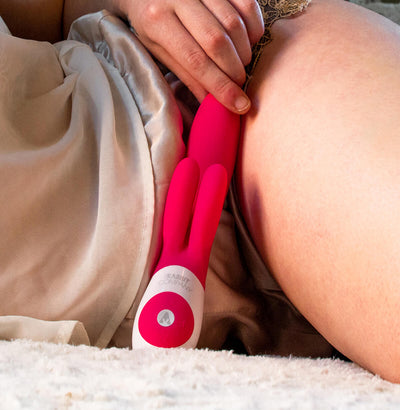
Recommended Product: TRC Mini Rabbit

A compact rabbit vibrator for anyone who wants an approachable way to explore at their own pace.
View Product- Compact format: A smaller design can feel approachable for someone new to vibrators.
- Personal exploration: Adjustable experiences can help you learn which sensations you prefer.
- Easy to incorporate: Its compact size makes it simple to add to an existing self-care routine.
A Classic Option for Exploring More
Recommended Product: The Classic Silicone Rabbit

A classic rabbit design for those interested in exploring more than one type of sensation.
Learn More- Classic rabbit design: Combines multiple stimulation areas in one familiar format.
- Explore your preferences: Different settings can help you discover the intensity and sensation that feel right for you.
- Wellness-focused choice: A personal product should support your preferences rather than define them.
Using Toys Does Not Replace a Partner
One of the most persistent misconceptions about vibrators is that they compete with partnered intimacy. That framing can make both toy use and conversations about pleasure unnecessarily uncomfortable.
A wellness product cannot replace communication, affection, trust, attraction, or emotional connection. It simply provides another form of stimulation that can be used alone or, when everyone is comfortable, incorporated into partnered intimacy.
For couples, treating toys as something to explore together rather than something to compete with can change the conversation entirely.
If you are interested in bringing that conversation into a relationship, read How to Introduce a Vibrator Into Your Relationship.
How to Make Conversations About Sex Toys Feel More Normal
Use Wellness Language Without Making Pleasure Clinical
Sexual wellness can be discussed with the same openness we bring to sleep, exercise, relationships, or mental well-being. At the same time, pleasure does not need to be justified by turning it into a medical objective. Enjoyment can simply be enjoyable.
Share Accurate Information
Many stigmas survive because people hear myths long before they hear reliable sexual-health information. Trusted educational resources can make conversations feel less mysterious and more grounded.
Avoid Judging Other People's Preferences
Normalizing sexual wellness includes accepting that not everyone wants the same experience. Some people use toys frequently, some occasionally, and others not at all. None of those choices makes someone more or less empowered.
Talk About Products as Tools, Not Solutions
A vibrator does not promise confidence, a stronger relationship, or a particular outcome. It is simply one tool that someone may choose to incorporate into personal or shared exploration.
What Sexual Empowerment Can Actually Look Like
- Learning about your anatomy and preferences.
- Choosing whether or not you want to explore masturbation.
- Buying a vibrator without feeling embarrassed about it.
- Choosing not to use a toy because it does not interest you.
- Communicating what feels comfortable with a partner.
- Setting a boundary without feeling that you need to apologize.
- Changing your mind about something you previously enjoyed.
- Seeing sexual wellness as one normal part of overall adult wellness.
Removing the Stigma Starts With Better Conversations
Women's sexual wellness does not need to live behind coded language or embarrassment. Open, thoughtful conversations about masturbation, sex toys, boundaries, body confidence, and pleasure can make reliable information easier to find and personal choices easier to make.
That does not mean everyone needs to become comfortable discussing every detail of their intimate life. Privacy and openness can coexist. Removing stigma simply means recognizing that an adult choosing to learn about their body or use a personal wellness product does not need to be treated as unusual.
Sexual empowerment ultimately comes down to agency: knowing that your body belongs to you, your preferences matter, and you are allowed to make informed choices about your own wellness.
Continue Exploring Women's Sexual Wellness
A Woman's Intro to Solo Masturbation — an approachable introduction to personal exploration and discovering your preferences.
Building Body Confidence — explore how self-knowledge, boundaries, and wellness can contribute to a more comfortable relationship with your body.
How to Introduce a Vibrator Into Your Relationship — practical guidance for communicating about toys and trying something new together.